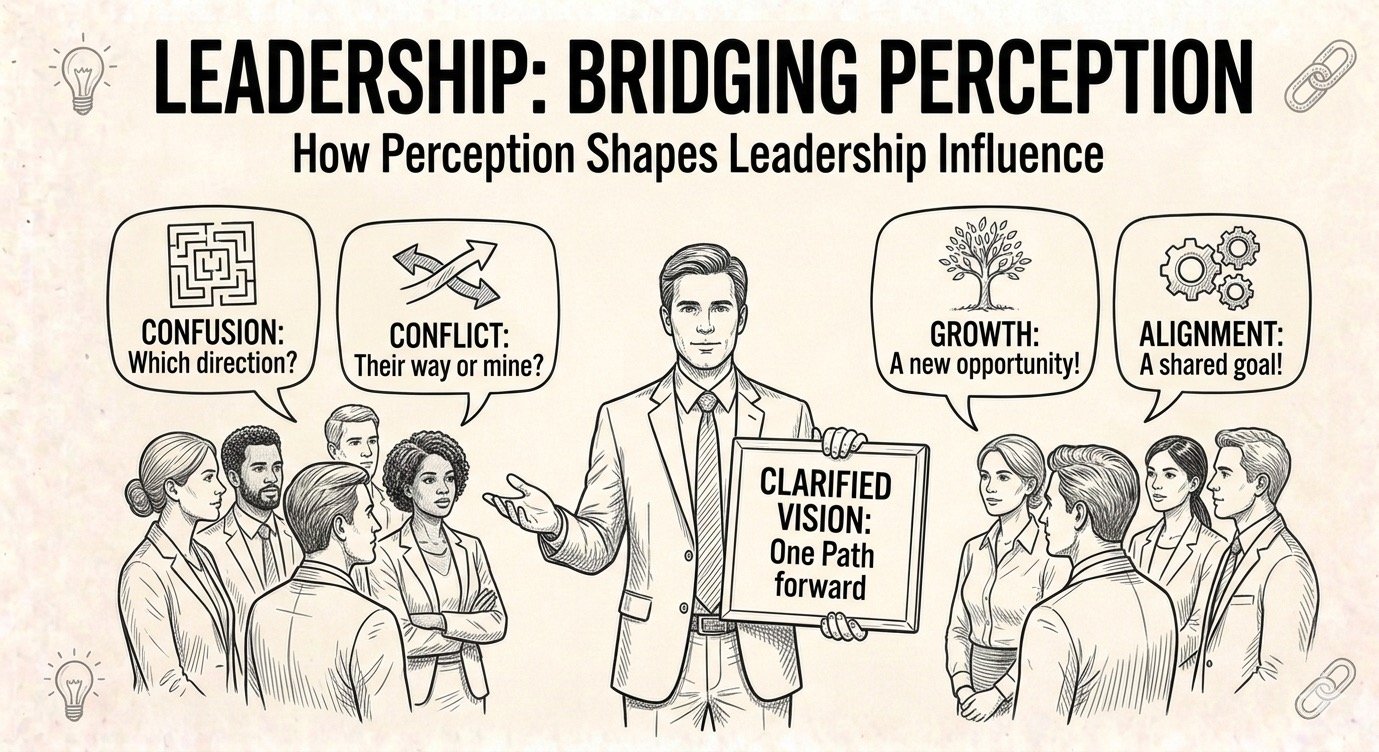
As you grow in your career, you will be judged not only on what you do, but on how you do it—so other people's perceptions and evaluations of you play an important role in your career. People with the skills to influence others' perceptions have a far better chance of controlling their own destiny.How your work is being perceived by the key stakeholders is equally, or, more important. Managing perceptions becomes challenging when the key stake holders are not co-located but are in a remote site. Managing perceptions needs concerted and conscious efforts.
Following methods helped me :
1. Regular Weekly Calls - Set up a weekly call with the key stake holders (need not just be the boss, but peer managers as well). Use these calls to talk less about the project status, but more about the team's accomplishments and issues. One of my team members spent more than two weeks debugging a critical issue. I knew it as I keep discussing with him regularly. But my manager didn't know about the same, till I brought it to her attention, in one of the weekly calls. Similarly if one foresees any risk or issues with the project, use the weekly call to communicate about them.
2. Instant Messaging/Whatsapp : While whatsapp has become a universal instant messaging platform for personal use, it can be very effectively utilised for instant official communication as well. Communicating over email on an issue is not as fast as doing it over whatsapp. Chatting over the issue on whatsapp gives the perception of real-time discussion.
3.Travel : Visiting remote site at regular intervals is important to build good relationships with the peer managers and other stakeholders. Use these visits to get their feedback about the team and take actions to address them. Also use these visits to share the innovations and/or method improvements that the team has made.
4.Improve the TAT (Turn Around Time) on email response : Managers may be in the CC list of many emails between the team members. The manager needs to assess the importance of some of the emails and ensure that the team is responding to these emails in a timely manner. Untimely responses for many of the emails (some not critical) will create a perception that the team is not supportive.
5. Schedule unplanned reviews : Going back to the example that I talked about in #1. The team has been working on the critical issue for more than two weeks. Instead of sending an email update on the progress, we scheduled a detailed review of the debug that the team did. Before the review, the remote team didn't have a good feel that my team was on top of the issue. The review changed the perception completely. I haven't heard any questions on this issue for a week now. So on issues that one sees getting dragged and discussed over email, make it a point to schedule a review with all concerned people and address them.
6. Transparent communication - Establish process for transparent communication. Use web tools to share the details of the projects across cross functional and remote teams. My team uses Confluence as a web tool to share the various details of the project. Instead of power-points hidden as attachments in an email, they are all put in Confluence and shared.
7. Senior leaders don't like bad surprises. We had an issue with the project and had violated the boundary line agreement. There was a planned meeting with the senior leader to go over this violation. Everyone was dreading about this meeting. The previous day, my manager had a one-on-one call/whatsapp messaging with the senior leader and brought him upto speed on the issue. The review did not become a "beating session" but more of what could have been done to avoid the violation. I learnt that day how to manage perception when communicating bad news.
8. Be visible at strategic moments - In project review meetings or town hall meetings, participate actively and ask relevant questions. Keeping mum in a meeting doesn't help improve visibility.
It's been said that perception is reality. Unmanaged perceptions become a reality that wasn't intended, so manage them effectively.
Why This Matters
Research in organizational psychology consistently demonstrates that performance evaluations are heavily influenced by subjective perception, not just objective metrics. Two employees with identical productivity can receive dramatically different evaluations based solely on how visible, responsive, and competent they appear to stakeholders. This isn't organizational dysfunction-it's human nature operating under information constraints. Leaders make decisions based on available information, and in complex organizations, available information is always incomplete. The professional who actively manages perception isn't being political; they're ensuring decision-makers have accurate rather than fragmentary understanding. In an era where careers increasingly depend on reputation and sponsor relationships, perception management isn't optional-it's fundamental professional competence that directly determines access to opportunities, projects, and advancement.
Leadership in Practice
A development team at a major technology company worked on a complex technical issue for three weeks. The local manager tracked progress through daily discussions, but remote stakeholders grew increasingly concerned about the prolonged timeline. Email updates provided status but not context, and the perception formed that the team was struggling or perhaps not prioritizing the issue appropriately.
Rather than continue ineffective email updates, the manager scheduled a comprehensive technical review with all stakeholders. The team walked through their systematic debug approach, the hypotheses tested, the tools developed, and the narrowing path to resolution. The review fundamentally shifted perception. Stakeholders who'd questioned the team's capability left impressed by their methodical rigor. Questions about timeline vanished. What had been viewed as worrisome delay reframed as appropriately complex investigation.
The manager reflected: "Before the review, remote teams didn't have a good feel that we were on top of the issue. The review changed perception completely. I learned that sometimes the problem isn't your work-it's stakeholders' understanding of your work. When email isn't working, change the medium." From that point forward, the manager treated perception management as core responsibility, particularly when issues dragged or complexity wasn't visible from outside the team.
Leadership Framework
**The Strategic Perception Management System**
**1. Regular Stakeholder Calls**
Establish weekly touchpoints with key stakeholders-your manager, peer managers, cross-functional leaders. Use these conversations to discuss team accomplishments and challenges, not just project status. Share specific examples: "Sarah spent two weeks debugging a critical performance issue-let me tell you about her systematic approach." This contextualizes effort and builds appreciation for work that might otherwise remain invisible.
**2. Response Time Management**
Treat email and message response time as perception signal: Even if you can't fully address an issue immediately, acknowledge receipt and provide timeline for detailed response. Consistently slow responses create perception of unsupportiveness or lack of engagement, even if you're simply focused on deep work. Assess which communications require rapid response and prioritize accordingly.
**3. Strategic Travel and Face Time**
In distributed environments, periodic in-person visits build relationships that remote communication cannot: Use visits to gather feedback about team perception and address concerns. Share innovations, process improvements, and team achievements. Face-to-face interaction builds trust and understanding that transcends what virtual communication can achieve.
**4. Dynamic Review Scheduling**
When issues drag or get repeatedly discussed via email, schedule a live review: Walk stakeholders through your approach, analysis, and path forward. Visual presentations and interactive discussion shift perception far more effectively than written status updates. This is particularly critical when you sense stakeholder confidence eroding.
**5. Transparent Information Sharing**
Establish systematic processes for information transparency: Use collaboration tools (wikis, dashboards, shared repositories) to make information continuously accessible. Replace attachment-heavy emails with links to central repositories. Transparency prevents information hoarding perceptions and demonstrates confidence in your work.
**6. Pre-Managing Bad News**
Senior leaders especially dislike surprises: When problems emerge, contact key stakeholders before formal reviews. Provide context, acknowledge the issue honestly, and present your mitigation plan. This prevents reviews from becoming "beating sessions" and demonstrates that you're on top of the situation even when outcomes aren't ideal.
**7. Strategic Visibility**
Be actively present during key moments: In project reviews and town halls, participate meaningfully-ask relevant questions, offer insights, contribute to discussions. Silence doesn't project confidence or competence; it creates vacuum that others fill with their own interpretations.
**8. Communication Channel Selection**
Match medium to message: Complex technical issues may require synchronous discussion, not email threads. Urgent matters might warrant instant messaging for faster resolution. Status updates belong in structured reports. Using appropriate channels signals professionalism and respects stakeholders' time.
**Critical Success Factor**: Perception is reality in organizational contexts. What stakeholders believe about your work, your team's capabilities, and your professional judgment matters more than what's objectively true. This isn't cynicism-it's organizational reality. Manage perception proactively and systematically, or accept that others will construct their own narratives from incomplete information.
Leadership Takeaway
This week, audit your perception management practices: Are you proactively communicating accomplishments and challenges to key stakeholders, or waiting for them to ask? Do remote leaders have accurate understanding of your team's capabilities and workload? When was your last face-to-face interaction with critical stakeholders? Have you responded to emails promptly, or do inbox delays create unsupportiveness perception? Remember: you can be technically excellent and still fail if key decision-makers don't understand your contributions. Perception management isn't political manipulation-it's professional responsibility.
"It's been said that perception is reality. Unmanaged perceptions become a reality that wasn't intended, so manage them effectively." - Common wisdom in organizational leadership
Ramu Kaka's Wisdom
The farmer with the finest crops who never speaks to buyers at market will sell nothing while lesser farmers prosper. Similarly, the leader who does excellent work but fails to ensure stakeholders understand that excellence will watch opportunities flow to more visible peers. Managing perception isn't vanity-it's ensuring reality and reputation align.
Reflection Questions
- What do your key stakeholders truly know about your current priorities, challenges, and accomplishments-and how much are they filling gaps with assumptions?
- When was the last time you proactively shaped a stakeholder's understanding before problems emerged, rather than reactively managing perception after misunderstandings formed?
- If your career depended on your manager's manager accurately understanding your contributions, how confident would you be in their current perception?
Comments