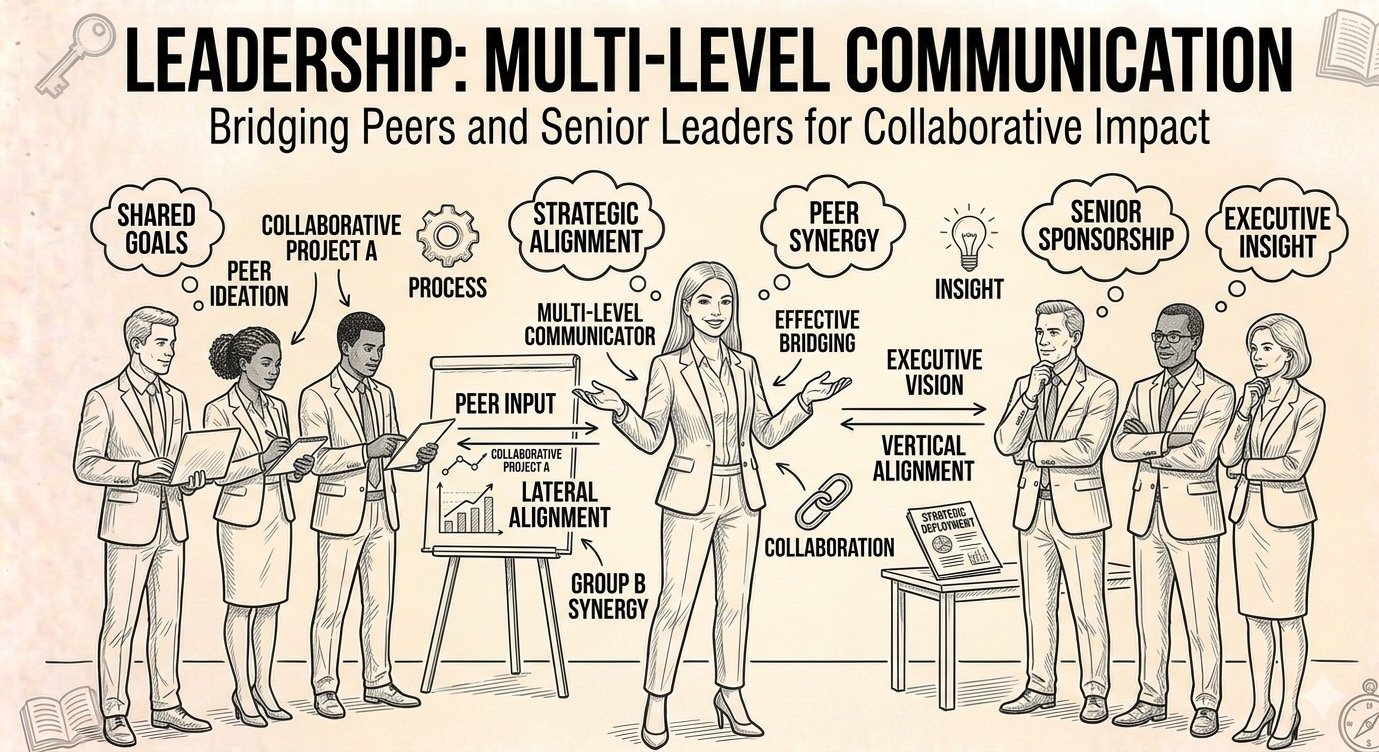
In the past, the leader of the organization was usually more experienced than other people in the organization. As the job opportunities in the past were limited, a person with more experience by design was more qualified to lead an organization, than a person with lesser experience. In the knowledge/technology world, a person who has better skills, capabilities and who is willing to take risks is considered for leading the organisation. This person need not be the most experienced person in the organisation. He can either be your peer or he can also be less experienced than you. It is commonplace these days for young leaders to manage more experienced employees.This poses a challenge to the organisation, the young leader and also the experienced employees. In this gyan session, I will bring out my perspective , from the vantage point of the young leader, Senior/Peer and the organisation.
1, Young Leader - For a start, he must have conviction that it is his skills & talent, due to which the organization reposed faith in him to lead the organisation. He should not have any guilt in leading the organisation or managing experienced employees. He needs to respect the experience of his peers or his seniors whom he manages. Without affecting their self-esteem, he needs to leverage their talent/experience. He needs to take them along to meet the goals of the organisation. He should separate the friendship of his peers and his professional responsibilities. His peers and seniors may be earning more salary than him. He needs to accept and internalise this fact and ensure that it doesn't come in the way of his professional duties. As a first timer, the young leader may be uncomfortable and not confident to accept this responsibility. He should not shy away from it. The earlier he takes up such responsibility, the sooner he will get better at managing his peers/seniors.
2. Senior/Peer - For a start, this person should accept that his other peer or his junior is more capable to lead the organisation than himself. He should also understand that his past accomplishments does not entitle him , at present ,to lead the organisation. Working for a junior doesn't make him a lesser individual. He should have sufficient self-esteem, in his own capacity, that he adds value to the organisation. He should not worry about what others or the world think of him in this context. He should note that he is reporting into a position (the person holding this position happens to be his peer/junior). He should use his experience to help the young leader make the organisation successful. If he really wants to get such a leadership responsibility, then he must identify his skill-gaps and work on it.
3. Organisation - The organisation should promote young leaders only based on their capabilities. They should help the young leader with necessary training so that he can manage his peers/seniors. They should not make exceptions in the organisation structure by not having peers/seniors report to the young leader. They should communicate to the leader's peers and seniors, as to why they chose this leader and the rationale behind it. They should seek their cooperation to enable the young leader to be successful. In the event if the peer/senior choses to quit, they should manage this attrition.
Why This Matters
In knowledge-based economies, talent scarcity and rapid technological change make rigid hierarchies an existential risk. Organizations that cannot successfully deploy young leaders to manage experienced employees will lose both demographics: high-potential talent will leave for companies that accelerate advancement, while experienced employees will disengage under leaders who lack the courage to leverage their expertise. This isn't about generational preferences-it's about survival. Companies that fail to master this dynamic sacrifice agility, innovation velocity, and competitive positioning in markets where all three determine winners and losers.
Leadership in Practice
When the new CEO became CEO of a major technology company in several years ago, he inherited a company where seniority and political maneuvering had created organizational sclerosis. Many senior engineers and executives had decades of tenure, yet the company was losing ground to younger, more agile competitors. The CEO, despite his own substantial experience, deliberately promoted younger leaders into critical positions, including placing thirty-something executives over teams containing the company veterans from the Windows and Office glory days. The transition was rocky-several high-profile departures followed as senior talent struggled with the new order. The CEO's approach combined clarity with support. He articulated a new cultural framework centered on 'growth mindset,' explicitly telling the organization that past accomplishments didn't guarantee future relevance. Simultaneously, he invested heavily in leadership development for both young leaders (teaching them to leverage institutional knowledge) and experienced employees (helping them transition from positional authority to influential expertise). He created cross-generational leadership cohorts and made himself visible as someone learning from leaders at all levels. The results speak for themselves: the company's market capitalization increased from approximately $300 billion to over $2 trillion under the CEO's leadership. More importantly, employee engagement scores improved dramatically, and the company regained its reputation for innovation. The success wasn't despite the generational leadership shifts-it was largely because of them. By empowering young leaders while honoring experienced employees' contributions, the CEO created an environment where both groups elevated each other rather than competing for relevance.
Leadership Framework
**The Peer and Senior Management Framework**
**From the Young Leader Perspective:**
**1. Accept Your Selection**: The organization chose you deliberately based on assessed capabilities. Guilt about managing more experienced colleagues helps no one. Accept the judgment and responsibility with confidence.
**2. Respect Experience Without Deferring**: Value domain knowledge and organizational history your experienced reports possess. Seek their counsel actively. Incorporate their insights genuinely. But maintain final accountability for direction and outcomes. Respect does not mean deference on all decisions.
**3. Separate Professional from Personal**: Former peer relationships must shift to supervisor-subordinate dynamics. You can remain friendly without compromising objectivity. Schedule regular one-on-ones focused on development and performance. Treat all direct reports with consistent professional standards. Favoritism perceptions undermine everyone.
**4. Accept Compensation Realities**: Your experienced reports may earn more, reflecting their tenure and specialized expertise. This is market reality, not injustice. Let go of resentment or awkwardness. Compensation and reporting relationships are independent variables.
**From the Senior or Peer Perspective:**
**5. Distinguish Role from Worth**: Your colleague holds a role you currently do not. That does not make them your superior as a human being. They were assessed as having capabilities suited for current organizational needs. Accept this without diminishing your own value.
**6. Report to the Position**: You respond to organizational structure, not personal hierarchy. The individual happens to be younger or less experienced, but the reporting relationship is about roles, not people.
**7. Support Rather than Undermine**: Use your experience to help the young leader succeed rather than prove they were the wrong choice. If you want leadership responsibility, identify capability gaps that prevented your selection and work to address them. Bitterness demonstrates you were correctly not chosen.
**From the Organization Perspective:**
**8. Promote on Capability Only**: Base promotions purely on assessed capability, not politics or favoritism. Communicate selection rationale clearly to affected individuals.
**9. Provide Training**: Young leaders managing experienced employees need explicit training on this challenging dynamic. It is a learnable skill set with known best practices.
**10. Do Not Create Exceptions**: Maintain organizational structure integrity. Do not create reporting exceptions that undermine new leader authority. This signals you lack confidence in your own selection.
**11. Manage Attrition Professionally**: Some experienced employees will not adapt to reporting to younger colleagues. This is acceptable. Manage departures professionally without guilt or attempts to force retention.
Leadership Takeaway
If you are a young leader managing more experienced colleagues, schedule individual conversations this week to explicitly acknowledge the dynamic, express respect for their experience, and clarify how you plan to leverage their expertise while maintaining accountability. If you are an experienced professional reporting to a younger leader, reflect honestly: Are you supporting their success or subtly undermining their authority? Your response to this situation reveals more about your leadership readiness than your technical expertise ever could.
"Leadership is not about age or experience - it is about capability and willingness to accept responsibility for outcomes." - Modern organizational reality
Ramu Kaka's Wisdom
When the landowner chose the younger farmer to oversee the fields, the older farmers had a choice: use their experience to help the young overseer succeed, or use it to prove he should not have been chosen. The wise farmers chose the first path, and the fields flourished. The bitter farmers chose the second path, and eventually had to find new fields to farm.
Reflection Questions
- If you manage more experienced colleagues, do you genuinely respect their expertise while maintaining accountability, or do you waver between guilt-driven deference and defensive authority?
- If you report to a younger or less experienced leader, are you using your experience to support their success or to demonstrate their inadequacy - and what does that reveal about your own leadership readiness?
- How much energy do you spend resenting reporting structures versus investing in making current relationships productive?
Comments