Part I - Foundations of Leadership

What Managers Owe Their Employees

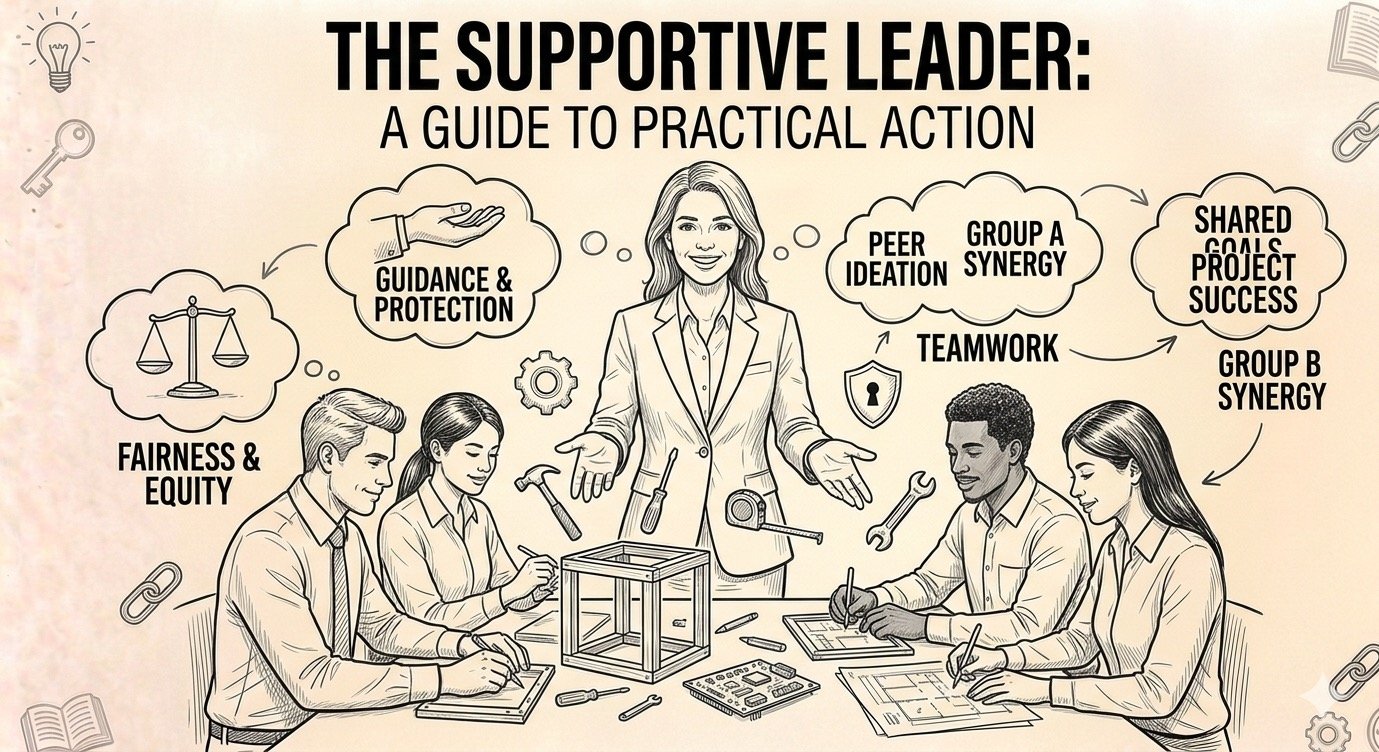
Chapter Illustration

The manager-employee relationship carries obligations in both directions. While much attention focuses on what employees owe their managers - performance, commitment, professionalism - less is said about what managers owe their people. These obligations are not optional courtesies but fundamental responsibilities of leadership.

**Timely and Critical Feedback**

It is your inalienable responsibility to address concerns with employees as soon as you become sincerely dissatisfied with their work or recognize deficiencies working against them. This is not always comfortable, and it requires considerable tact to avoid discouragement, but you owe it to them.

Bear this in mind: If you ultimately must terminate a subordinate, you may face two pointed questions: "Why has it taken you five years to discover my incompetence?" and "Why have you not given me a fair chance to correct these shortcomings?"

When you fire someone for incompetence, it signals that not only has the employee failed, but you have failed as well. Timely, candid feedback gives people the opportunity to improve before failure becomes permanent.

**Make It Unquestionably Clear What Is Expected**

The number one requirement for effective supervisor-subordinate communication is explicit understanding of job expectations. Too often, managers avoid direct discussions and rely on implicit instructions and generalized goals.

Successful managers clearly establish goals and expectations with their subordinates, then follow up with monitoring and support. Ambiguity about expectations is a leadership failure, not an employee failure.

**Do Not Hang On to Employees Too Selfishly When They Are Offered Better Opportunities**

It is bad business to stand in the way of an employee's advancement simply because their loss will inconvenience you. You are justified in shielding your people from outside offers only when you are sincerely convinced they have an equal or better opportunity where they are.

Accept that you are probably unable to judge this objectively anyway, so consider soliciting the employee's opinion - it is their career, not yours. You should not find yourself in a position where losing one individual will unduly embarrass you. Select and train backups for all key personnel, including yourself.

**Show an Interest in What Your Staff Is Doing**

It is deeply discouraging to employees when their manager manifests no interest in their work - by failing to inquire, comment, or otherwise acknowledge it. A little interest goes a long way. Make the effort to engage with what they are accomplishing.

**Never Miss a Chance to Commend or Reward Good Work**

Remember, your job is not merely to criticize and intimidate people into getting work done. The better part of your job is to help, advise, encourage, and stimulate them.

Never miss a chance to build up your staff's prestige in the eyes of others. This is not to suggest perpetual leniency - by all means, deliver sharp censure when well deserved to keep people on their toes. But if criticism is all they receive, they are apt to grow bitter about the job.

These five obligations - timely feedback, clear expectations, supporting career advancement, showing genuine interest, and recognizing good work - are not acts of generosity. They are what you owe your people in exchange for their commitment and effort. Fulfill these obligations, and you create the foundation for a high-performing, loyal team.

Why This Matters

Organizations with high-trust cultures outperform their competitors by 286% in total return to shareholders, according to research by Great Place to Work. Trust directly impacts employee engagement, retention, innovation, and customer satisfaction. When trust erodes, you face higher turnover costs, decreased productivity, slower decision-making, and a talent brand that repels high performers. In today's transparent world where employer reviews are public and talent has options, trust isn't a soft skill-it's a competitive advantage that directly impacts your bottom line and your ability to execute strategy.

Leadership in Practice

When the new CEO became a major technology company's CEO several years ago, he inherited a culture characterized by internal competition, political maneuvering, and deep distrust between divisions. The famous "stack ranking" system had created an environment where managers hoarded talent and avoided difficult feedback conversations because any honest assessment could derail a career. The CEO made trust-building his central leadership priority, starting with transparent communication about what needed to change and why. He eliminated stack ranking and instituted a growth mindset culture where managers were evaluated on how well they developed their people, not just on how well they retained them. He personally modeled vulnerability by sharing his own learning journey and admitting what he didn't know. Critically, he made it clear that managers who failed to provide timely feedback or who blocked internal mobility for talented employees would not advance. Over the following years, employee engagement scores increased dramatically, and the company's market value more than tripled. The transformation wasn't about new perks or benefits-it was about rebuilding trust through consistent leadership behaviors. Managers learned to have courageous conversations early, to clarify expectations explicitly, and to celebrate when team members moved to better opportunities. This cultural shift unlocked collaboration across divisions that had been siloed for decades, enabling product innovations like the collaboration platform and their cloud platform's rapid growth. The CEO proved that trust isn't built through mission statements; it's built through leadership accountability and daily actions that demonstrate respect for people's growth and potential.

Leadership Framework

**The Four Pillars of Trust Framework**

**Pillar 1: Courageous Transparency** - Deliver feedback within 48 hours of observing issues requiring correction - Use the "care personally, challenge directly" approach: lead with context, be specific about behaviors, focus on impact - Ask yourself: "If I had to terminate this person today, would they be genuinely surprised?" If yes, you've failed to be transparent - Critical success factor: Separate the person from the performance; critique actions and outcomes, never character

**Pillar 2: Radical Clarity** - Co-create written expectations for every role with measurable success criteria - Establish 30-60-90 day milestones for new responsibilities or projects - Conduct monthly alignment conversations: "What should you continue? What should you stop? What should you start?" - Warning: Clarity without consistency breeds cynicism; ensure your actions align with stated expectations

**Pillar 3: Selfless Stewardship** - Maintain a succession plan for every critical role, including your own - When external opportunities arise for your people, help them evaluate objectively - Celebrate internal and external promotions equally; measure success by careers launched, not just talent retained - Build a reputation as a "talent factory" that becomes a recruiting advantage

**Pillar 4: Authentic Engagement** - Schedule recurring 1-on-1s that are sacred time (never cancel unless emergency) - Ask three questions regularly: "What's energizing you? What's draining you? How can I help?" - Demonstrate curiosity about their work by asking informed questions that show you've paid attention - Critical success factor: Engagement requires presence; put away devices and be fully attentive

Leadership Takeaway

This week, have a one-on-one conversation with each direct report where you explicitly confirm their understanding of your expectations for their role. Ask them to articulate what they believe you expect, then clarify any gaps or misunderstandings.

"Before you are a leader, success is all about growing yourself. When you become a leader, success is all about growing others." - Jack Welch

Ramu Kaka's Wisdom

A leader who protects people from truth protects them from growth. The gardener who refuses to prune fears the temporary wound but guarantees the tree stays small. Trust grows not in the soil of comfort, but in the honest conversations we're brave enough to have.

Reflection Questions