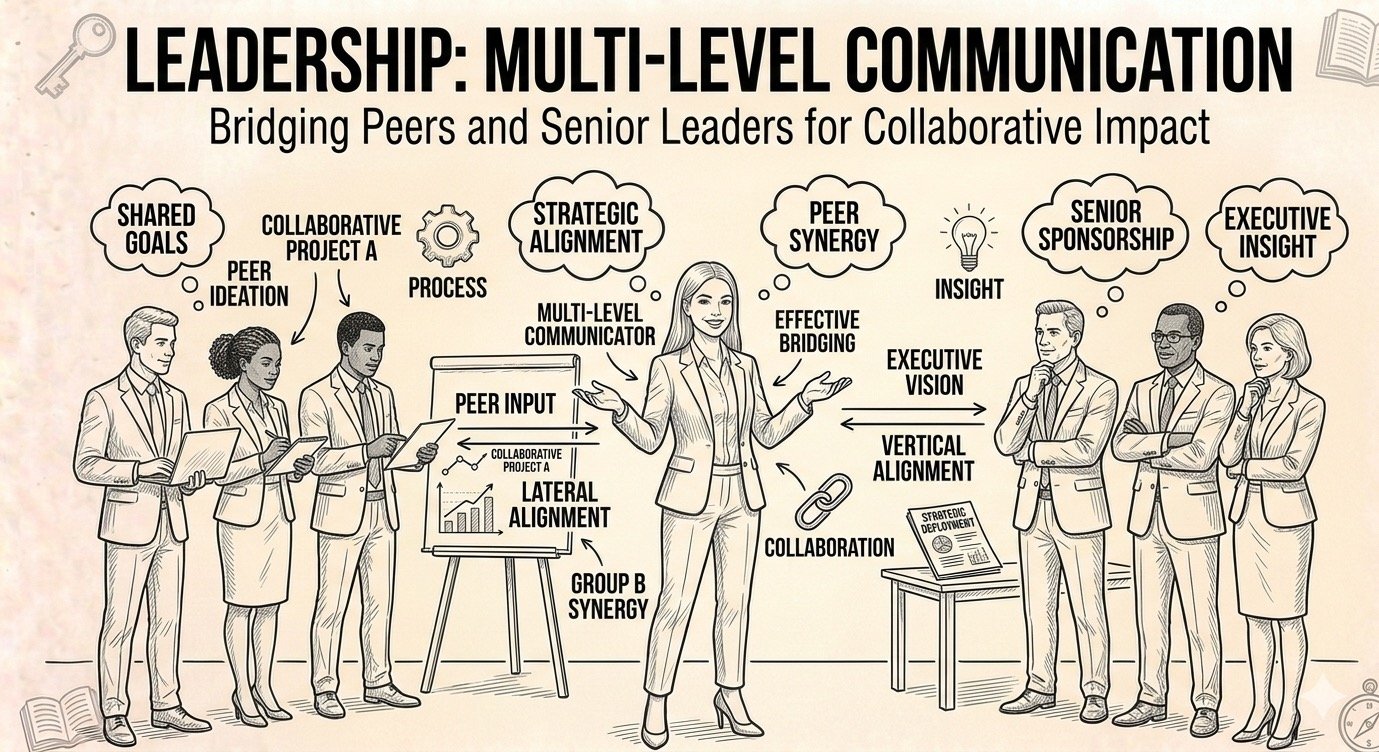
Modern organizations frequently promote leaders based on skills, capabilities, and willingness to assume risk rather than purely on tenure or experience. This creates common situations where talented individuals manage peers or colleagues with more experience, greater domain expertise, or longer organizational tenure. These dynamics present unique challenges for the promoted leader, the peer or senior who now reports to them, and the organization trying to maximize collective contribution.
From the young leader's perspective, accepting such responsibility requires conviction and confidence. The organization selected you based on assessed capability—not favoritism, not luck, not politics. While imposter syndrome might whisper doubts, organizational leadership made a deliberate choice based on skills they believe you possess. Your first responsibility is to accept that judgment rather than question it constantly. Guilt about managing more experienced colleagues helps no one and undermines your effectiveness.
That said, respect for experience matters enormously. Your more experienced direct reports possess domain knowledge, organizational history, and relationship networks you likely lack. Leveraging that expertise without undermining your authority requires delicate balance. The key is separating respect for experience from deference on all decisions. You can value their input deeply while maintaining final accountability for direction and outcomes. Seek their counsel actively, incorporate their insights genuinely, but make clear that accountability ultimately rests with you.
The interpersonal challenge intensifies when managing former peers. Professional relationships that were previously collegial and informal must shift to supervisor-subordinate dynamics without destroying personal connection. This requires explicit boundary-setting. You can remain friendly without being friends in ways that compromise objectivity. Schedule regular one-on-ones focused on their development and performance. Treat them with the same professional standards you apply to all direct reports. Favoritism—or the perception of favoritism—will undermine both your credibility and their standing with the broader team.
Salary dynamics often complicate these relationships. Your experienced direct reports may earn significantly more than you, reflecting their longer tenure and specialized expertise. This is organizational reality, not injustice. Their compensation reflects market rates for their experience and skills. Yours reflects your role and potential. Let go of resentment or awkwardness about compensation disparities. They have no bearing on reporting relationships or role accountability.
From the senior or peer perspective now reporting to a younger or less experienced leader, professional maturity requires acceptance. Your colleague is not your superior as a human being—they hold a role you currently do not. That role came to them because the organization assessed they have capabilities suited for it, perhaps capabilities different from your own strengths. Your past accomplishments do not entitle you to leadership roles; they represent historical contributions that the organization valued. Working for someone less experienced does not diminish your worth if you maintain confidence in your unique value proposition.
The critical mindset shift: you report to a position, not a person. The individual holding that position happens to be your peer or junior colleague, but you are responding to organizational structure, not personal hierarchy. Use your experience to support their success rather than undermine their authority. If you genuinely want leadership responsibility, identify what capability gaps prevented your selection and work systematically to address them. Bitterness and resistance help no one and certainly do not demonstrate leadership readiness.
From the organizational perspective, creating these dynamics requires thoughtful support. Promote based purely on capability, not politics or favoritism. Provide explicit training for young leaders managing experienced employees—this is a learnable skill set with known best practices. Do not create organizational exceptions that undermine the new leader's authority. Communicate clearly to senior employees why this individual was selected and what capabilities drove that decision. Seek their explicit support and cooperation. If senior employees choose to leave rather than adapt to new reporting relationships, manage that attrition professionally and without guilt. Not everyone adapts well to such transitions, and that is acceptable.
Leadership in Practice
When the new CEO became CEO of a major technology company in several years ago, he inherited a company where seniority and political maneuvering had created organizational sclerosis. Many senior engineers and executives had decades of tenure, yet the company was losing ground to younger, more agile competitors. The CEO, despite his own substantial experience, deliberately promoted younger leaders into critical positions, including placing thirty-something executives over teams containing the company veterans from the Windows and Office glory days. The transition was rocky-several high-profile departures followed as senior talent struggled with the new order. The CEO's approach combined clarity with support. He articulated a new cultural framework centered on 'growth mindset,' explicitly telling the organization that past accomplishments didn't guarantee future relevance. Simultaneously, he invested heavily in leadership development for both young leaders (teaching them to leverage institutional knowledge) and experienced employees (helping them transition from positional authority to influential expertise). He created cross-generational leadership cohorts and made himself visible as someone learning from leaders at all levels. The results speak for themselves: the company's market capitalization increased from approximately $300 billion to over $2 trillion under the CEO's leadership. More importantly, employee engagement scores improved dramatically, and the company regained its reputation for innovation. The success wasn't despite the generational leadership shifts-it was largely because of them. By empowering young leaders while honoring experienced employees' contributions, the CEO created an environment where both groups elevated each other rather than competing for relevance.
Leadership Framework
**The Peer and Senior Management Framework**
**From the Young Leader Perspective:**
**1. Accept Your Selection**: The organization chose you deliberately based on assessed capabilities. Guilt about managing more experienced colleagues helps no one. Accept the judgment and responsibility with confidence.
**2. Respect Experience Without Deferring**: Value domain knowledge and organizational history your experienced reports possess. Seek their counsel actively. Incorporate their insights genuinely. But maintain final accountability for direction and outcomes. Respect does not mean deference on all decisions.
**3. Separate Professional from Personal**: Former peer relationships must shift to supervisor-subordinate dynamics. You can remain friendly without compromising objectivity. Schedule regular one-on-ones focused on development and performance. Treat all direct reports with consistent professional standards. Favoritism perceptions undermine everyone.
**4. Accept Compensation Realities**: Your experienced reports may earn more, reflecting their tenure and specialized expertise. This is market reality, not injustice. Let go of resentment or awkwardness. Compensation and reporting relationships are independent variables.
**From the Senior or Peer Perspective:**
**5. Distinguish Role from Worth**: Your colleague holds a role you currently do not. That does not make them your superior as a human being. They were assessed as having capabilities suited for current organizational needs. Accept this without diminishing your own value.
**6. Report to the Position**: You respond to organizational structure, not personal hierarchy. The individual happens to be younger or less experienced, but the reporting relationship is about roles, not people.
**7. Support Rather than Undermine**: Use your experience to help the young leader succeed rather than prove they were the wrong choice. If you want leadership responsibility, identify capability gaps that prevented your selection and work to address them. Bitterness demonstrates you were correctly not chosen.
**From the Organization Perspective:**
**8. Promote on Capability Only**: Base promotions purely on assessed capability, not politics or favoritism. Communicate selection rationale clearly to affected individuals.
**9. Provide Training**: Young leaders managing experienced employees need explicit training on this challenging dynamic. It is a learnable skill set with known best practices.
**10. Do Not Create Exceptions**: Maintain organizational structure integrity. Do not create reporting exceptions that undermine new leader authority. This signals you lack confidence in your own selection.
**11. Manage Attrition Professionally**: Some experienced employees will not adapt to reporting to younger colleagues. This is acceptable. Manage departures professionally without guilt or attempts to force retention.
"Leadership is not about age or experience - it is about capability and willingness to accept responsibility for outcomes." - Modern organizational reality