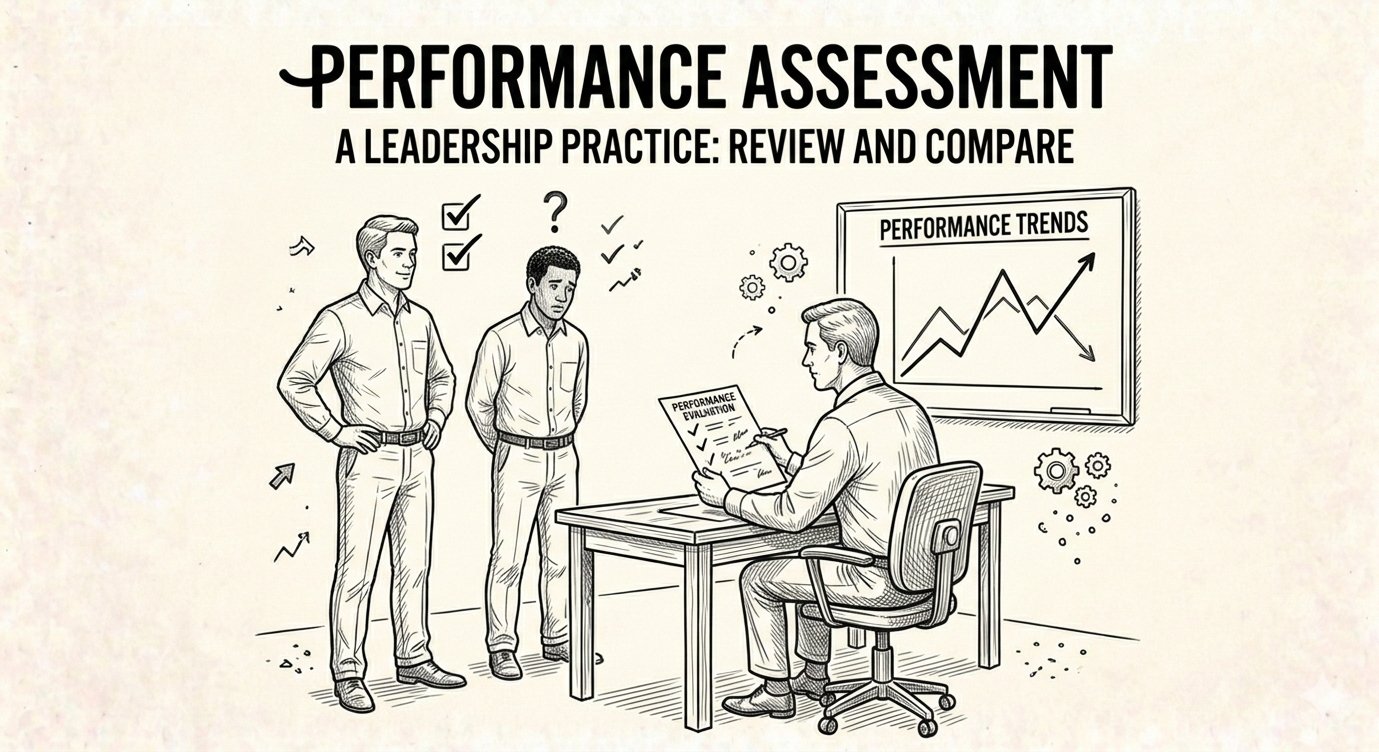
Performance assessment represents one of the most consequential responsibilities in a manager's portfolio, yet it remains one of the most frequently mishandled. The foundation of effective performance evaluation begins with structured self-appraisal-not as a bureaucratic formality, but as a critical mechanism for capturing the full spectrum of an employee's contributions throughout the evaluation period. While managers maintain continuous oversight of their teams, no leader possesses perfect visibility into every accomplishment, innovation, or challenge their reports navigate. Self-appraisal bridges this gap, ensuring that significant contributions don't disappear into the memory void that plagues annual review cycles.
Effective performance assessment extends far beyond measuring technical deliverables. High-performing organizations evaluate employees across three distinct dimensions: technical execution, adjacent professional skills (innovation capability, quality standards, project management acumen, mentoring effectiveness, knowledge transfer), and essential soft skills (initiative, autonomy, communication proficiency). The weighting of these dimensions should shift based on seniority-junior contributors require heavier emphasis on technical competence and learning agility, while senior professionals must demonstrate leadership influence and strategic thinking. This multi-dimensional framework prevents the reductionist trap of evaluating complex human performance through a single lens.
Yet even with robust frameworks, cognitive biases systematically distort performance assessments, creating organizational injustice and strategic misalignment. The Halo Effect-or 'broad brush bias'-causes managers to allow one dominant trait to color their perception of all others. An employee who excels at client presentations may receive inflated ratings for project management skills they haven't demonstrated. Conversely, a brilliant engineer with poor communication skills may be underrated on technical dimensions where they genuinely excel. Recency bias anchors evaluations to the last quarter's performance, rewarding or punishing employees based on timing rather than sustained contribution. The promotion bias proves particularly insidious: newly promoted employees often receive inflated ratings despite performing at merely adequate levels in their new grade, creating a dangerous precedent that confuses promotion with performance.
The most problematic bias-the tension between individual and group accomplishment-demands particular vigilance. In our increasingly collaborative work environments, managers must distinguish between employees who contribute meaningfully to team success versus those who simply benefit from proximity to high-performing colleagues. This requires moving beyond outcome-based assessment to evaluate the quality of contribution: Did this employee drive the result, contribute proportionally, or merely participate? The answers fundamentally shape talent decisions, succession planning, and the cultural signals leaders send about what truly earns recognition.
Mastering performance assessment isn't about eliminating human judgment-it's about making that judgment more systematic, fair, and strategically aligned. Leaders who implement structured evaluation processes, actively counter their cognitive biases, and invest time in understanding the full scope of their employees' contributions build organizations where performance standards remain credible, top talent stays engaged, and mediocrity finds no place to hide. In an era where talent represents the primary competitive differentiator, assessment discipline isn't administrative overhead-it's strategic necessity.
Why This Matters
Flawed performance assessments corrupt every downstream talent decision-compensation equity, promotion choices, succession planning, and retention of top performers. When bias distorts evaluations, organizations systematically reward the wrong behaviors, promote the wrong people, and watch their best talent leave for competitors who recognize their true contribution. A recent study found that 95% of managers express dissatisfaction with their performance review process, yet the consequences extend far beyond dissatisfaction: biased assessments cost companies millions in lost productivity, wrongful termination litigation, and the replacement costs of talent who leave when they're undervalued or watch lesser performers advance.
Leadership in Practice
A major software company's transformation of performance management in 2012 provides a compelling case study in assessment discipline. The company eliminated annual performance reviews and stack rankings-the forced distribution system that required managers to rate employees on a curve regardless of actual performance. The company's research revealed that their traditional process consumed tens of thousands of manager hours annually while generating minimal value and significant resentment. More critically, they discovered that recency bias and the halo effect were systematically distorting ratings, with Q4 performance disproportionately determining annual assessments and employees skilled at self-promotion receiving inflated evaluations. The company replaced annual reviews with "Check-In" conversations-ongoing discussions between managers and employees focused on feedback, development, and expectations. Critically, they trained managers extensively on cognitive biases and required structured documentation of specific contributions across multiple dimensions throughout the year. They separated compensation decisions from developmental conversations and implemented calibration sessions where leadership teams collectively reviewed assessments to identify and correct bias patterns before finalizing ratings. The results validated their approach: voluntary attrition decreased significantly following implementation, particularly among high performers who previously felt underrecognized. Manager satisfaction with the performance process increased dramatically, and exit interview data showed that departing employees cited performance management concerns far less frequently. Most significantly, the company found that by eliminating the recency and halo biases through structured ongoing assessment, they made better promotion decisions-tracking data showed that employees promoted under the new system performed substantially better in their new roles compared to those promoted under the old annual review system, suggesting more accurate identification of true capability.
Leadership Framework
**The BIAS-FREE Performance Assessment Framework**
**Step 1: Document Continuously, Not Retrospectively**
Implement a system where you log significant contributions, challenges, and observations throughout the evaluation period-monthly at minimum. Use a structured template that captures technical delivery, professional skills, and soft skills separately. This practice defeats recency bias by creating a contemporaneous record and provides concrete examples that prevent vague, impression-based assessments.
**Step 2: Demand Multi-Dimensional Evidence**
For each evaluation dimension (technical, professional skills, soft skills), require at least three specific examples with measurable outcomes. Force yourself to answer: "What concrete evidence supports this rating?" If you cannot cite specific instances, your rating reflects impression rather than performance. Apply the "courtroom test"-could you defend this assessment with evidence if challenged?
**Step 3: Calibrate Against Role Expectations, Not Peers**
Evaluate each employee against the defined competencies and expectations of their current grade level, not against team members. Newly promoted employees must be assessed against their new grade's standards, even if this means rating them as "developing" in their elevated role. This eliminates promotion bias and sets honest expectations. Create explicit competency matrices for each level to remove ambiguity.
**Step 4: Conduct Pre-Assessment Bias Audits**
Before finalizing ratings, systematically review your assessments for patterns. Are ratings clustered around one dominant trait? Do recent achievements disproportionately influence overall ratings? Have you rated individual contributions in team accomplishments, or simply rewarded everyone equally? Challenge yourself: "If this person's most visible quality were removed, would my assessment change across other dimensions?" If yes, you're experiencing halo effect.
**Step 5: Implement Structured Calibration**
Before finalizing performance ratings, conduct calibration sessions with peer managers or your leadership team. Present your assessments with supporting evidence and invite challenge. Calibration exposes inconsistent standards, reveals hidden biases, and ensures organizational fairness. The goal isn't consensus-it's consistency in how evidence translates to ratings.
**Critical Success Factors:** Self-appraisal must precede manager assessment; assessment conversations must separate performance evaluation from development planning; and organizations must train managers explicitly on cognitive bias recognition, not just evaluation mechanics. **Warning:** Without ongoing documentation, even well-intentioned frameworks collapse into recency-biased, impression-driven assessments during review season.
Leadership Takeaway
Your performance assessments shape your organization's culture more powerfully than your mission statement ever will-they signal what you truly value versus what you merely claim to prioritize. Starting tomorrow, implement a simple practice: spend 15 minutes weekly documenting specific observations about each direct report across technical, professional, and interpersonal dimensions. This single discipline will transform your assessment accuracy, eliminate recency bias, and ensure your best performers receive the recognition that keeps them engaged. Remember: in talent management, your assessment credibility directly determines your retention effectiveness.
"If you can't measure it, you can't manage it, but if you measure it badly, you'll manage it badly." — Peter Drucker
Ramu Kaka's Wisdom
The wise gardener knows each plant by watching it through all seasons, not just at harvest time. Those who judge the tree by its last fruit alone will mistake a strong year for a strong tree, and wonder why their orchard fails.
Reflection Questions
- When I review my last performance evaluation cycle, can I identify specific examples where recency bias or halo effect influenced my ratings—and more importantly, what concrete system will I implement to prevent this next cycle?
- If I were to anonymize my team's performance assessments and present only the evidence without names, would my ratings remain consistent, or would I discover that personal affinity and visibility are influencing my judgment more than actual contribution?
- How effectively do I distinguish between employees who drive team accomplishments versus those who benefit from being on successful teams—and what specific behavioral evidence do I use to make this critical distinction?